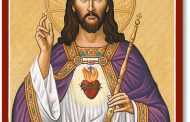
THE MOST HOLY BODY AND BLOOD OF CHRIST, YEAR B
6th of June 2021.
Exodus 24:3-8; Hebrews 9:11-15; Mark 14:12-16,22-26.
We are celebrating the solemnity of the Most Holy Body and Blood of Christ. From the outset, Jesus meant his body and blood to be real food under the appearance of bread and wine. He told his disciple to eat his body and drink his blood. He made it clear in the gospel according to John that his body is real food and his blood is real drink. To further convince his disciples of his intention, he instituted the sacrament of his body and blood within the context of a meal. According to Archbishop Fulton Sheen, by making it a meal, Jesus wants us to be actors and not readers. We recall the event by participation. His body and blood is food for the soul.
To foster its remembrance and celebration, he instituted it during the Jewish feast of Passover. He wanted the celebration of the body and blood to command similar respect as the Jewish Passover. He commanded his disciples to celebrate the sacrament of his body and blood as a definite way to remember him. St. Paul reminds us that whenever we eat his flesh and drink his blood, we are proclaiming his death. The holy body and blood of Christ resembles the Jewish Passover in the sense that both require celebration through participation. Both recall histories of salvation.
Our participation in the sacrament of the body and blood of Christ is not without gain. The second reading reminded us that the sacrifice of the cross that was prefigured in the sacrament of the body and blood was offered by the blood of Christ himself. Thus it is a perfect sacrifice that can purify our inner self from dead actions so that we do our service to the living God. In today’s celebration, we are called to full participation in the transforming mystery of his body and blood.
Fr Anthony Ekpunobi, CM.