 TWENTY SEVENTH SUNDAY IN ORDINARY TIME, YEAR A
4th October 2026
Isaiah 5:1-7; Philippians 4:6-9; Matthew 21:33-43.
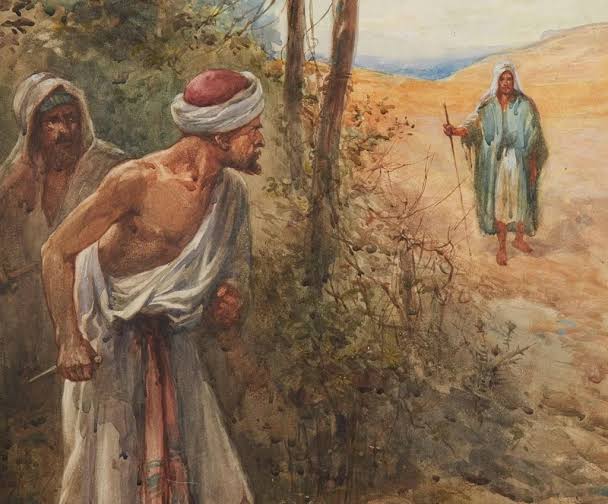
In the parable of today’s gospel, Jesus asked the question: When therefore the owner of the vineyard comes, what will he do to those tenants? For these tenants frustrated every effort to get the proceeds from the harvest. They killed the servants sent to them and eventually killed the son of the owner of the vineyard, hoping to claim the vineyard as their inheritance. According to the first reading from the prophet Isaiah, the vineyard was endowed with fertile soil, clear of stones and choice vines planted on it. It had a watch tower in the middle and a wine vat. It was an ideal vineyard. Unfortunately, these tenants were not forthcoming with any harvest! They are wicked tenants because they failed to use the opportunities available to them and prevented the owner from accessing his property. The expectation is that the owner should discard the tenants and lease the vineyard to those able to produce results.
Today, the modern mind is not different from the wicked tenants. Through Artificial Intelligence, the modern mind abhors any form of moral responsibility and frustrates every enforcement. AI is not equipped to capture those emotions that are associated with moral responsibility such as guilt, shame, embarrassment, pride etc. As such it is becoming a perfect tool with which to withhold information, dictate, disarm and shut God out of the world. We cannot succeed as humans if we shut the Author of life out from the world. In the second reading, St. Paul proposed Positive Thinking, a unique human intelligence that is different from and opposed to AI. He wants us to fill our minds with whatever is true, whatever is honourable, whatever is just, whatever is pure, whatever is lovely, whatever is commendable, whatever is excellent, and whatever is worthy of praise. Positive thinking encourages responsibility, progressive growth and maturity by focusing attention on the beauty of creation and the opportunities within it.
Fr Anthony Ekpunobi, CM.