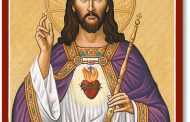
 EASTER VIGIL, YEAR C
19th April 2025
Romans 6:3-11; Luke 24:1-12.
The resurrection of Jesus demonstrates the power of forgiveness. Prior to his crucifixion, he forgave those involved in the conspiracy that led to his death, stating, “Father, forgive them for they know not what they do.” They were unaware of their actions due to being overwhelmed by human violence—an intense force known as the scapegoat mechanism, which remains one of the greatest forms of human violence. This mechanism diverts collective human violence onto an innocent victim, in this case, Jesus. His death halted this endless cycle of diverting violence onto innocents, conquering human violence through forgiveness.
Forgiveness serves as an enduring solution to human violence. The sacrificial act on the cross established forgiveness as the primary remedy to all forms of human violence. On the cross, Jesus exposed scapegoating as an act of violence. Through the perspective provided by the cross, human violence continues to be revealed. Forgiveness not only diverts violence but also controls it. Jesus introduced an attractive force through forgiveness, representing a significant transformation from the retaliatory instinct that perpetuates violence. It offers a divine solution to humanity’s helpless state before his resurrection. The presence of forgiveness in our lives stands as evidence of his resurrection, cementing it as a powerful force against violence.
Fr Anthony Ekpunobi, CM.