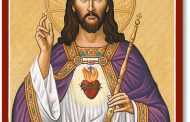
 GOOD FRIDAY, YEAR C
18th April 2025
Isaiah 52:13-53:12; Hebrews 4:14-16,5:7-9; John 18:1-19:42.
The concept of the cross can be understood by examining the nature of violence. Violence is indiscriminate towards its target and, once initiated, cannot be ignored or eliminated, only redirected. Historically, humanity has managed violence through scapegoating, as illustrated by Caiaphas’s statement: ‘It is better for one man to die for the people.’ This practice promoted relative peace through the sacrifice of an innocent victim.
Jesus’ crucifixion introduced a new approach to achieving peace and protecting the innocent. According to Christian teachings, Jesus willingly accepted his death on the cross as the Son of God. ‘Although he was Son, he learnt to obey through suffering; but having been made perfect, he became for all who obey him the source of eternal salvation.’ The self-sacrifice of Jesus on the cross offers a strategy for addressing the violence of sin. It emphasizes collective responsibility as a sustainable solution to the violence of sin. This cycle of violence is interrupted when we replace blame with collective accountability, recognizing that the violence we aim to eliminate is fundamentally our own. ‘Ours were the sufferings he bore, ours the sorrows he carried.’
Fr Anthony Ekpunobi, CM.