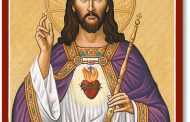
Sacred objects, bible, bread and wine.
TWENTIETH SUNDAY IN THE ORDINARY TIME, YEAR B.
19th August 2018
Proverbs 9:1-6; Ephesians 5:15-20; John 6:51-58.
The Eucharistic Bread that Jesus Christ shares today is a merit of his sacrificial action on the Cross. The sacrifice of the Cross is understood as a self-donation for the life of the world. The distinguishing factor of this sacrifice is the merits, which does not benefit the victim of the sacrifice. The altruistic nature is incomparable, thus redemptive. The intention is purely altruistic, for others, it does not benefit the victim.
Little wonder it is difficult to understand. It eludes the mind that a man will give his life for his friends, to give them life in exchange. The underlying substitution is guided by unconditional love. It eludes the mind because life is precious. The merits of self-donation exceed its boundaries. Like the wisdom of the first reading, it has prepared a banquet for all. She has slaughtered her beasts, prepared her wine, she has laid her table. The wisdom of self-donation is enlightening to the soul in the sense that the benefits gives life. The ancestors of the Jews ate manna in the desert to quench their hunger, but the bread of the Eucharist enlightens the soul. This is the bread come down from heaven; not like the bread our ancestors ate: they are dead, but anyone who eats this bread will live forever. The reality lies in the tasting of this heavenly bread in the Holy Communion.
The modern world is filled with failed political promises and moral decadence. The will to make a change lies in a divine assistance that urges the will to goodness. The optimism of St. Paul in the second reading is recalled: This may be a wicked age, but you redeem it. We redeem it through the life that comes from the Eucharistic Bread.
Anthony Ekpunobi, CM.